Introduction to Epidural Choices in Pregnancy
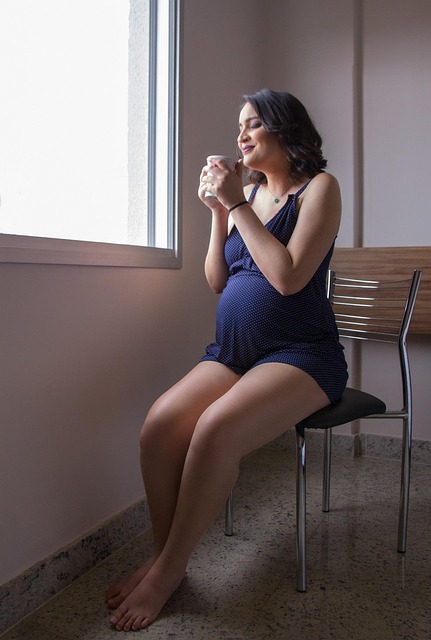
Throughout pregnancy, women face a multitude of decisions, with the debate on whether to pursue natural childbirth or opt for an epidural often being the most contentious.
I hold immense respect for those who embrace natural childbirth, akin to my admiration for extreme sports enthusiasts who dive deep into the ocean while holding their breath. I find the concept captivating; however, I wouldn’t voluntarily choose such an experience for myself.
In contrast, my admiration for anesthesia runs even deeper. I was that expectant mother who began inquiring about the epidural as early as week 20. After giving birth to my first child, I even pondered bestowing the name “Epidural” upon her, in honor of this incredible advancement in medical science.
The Journey to Pregnancy with My Second Child
When I became pregnant with my second child at 37, my pregnancy was classified as “geriatric.” My advanced maternal age necessitated bi-weekly visits for blood tests and nonstress tests. During these visits, nurses would often comment, “Wow, that was a big contraction! Did you feel that?” To which I thought, “Of course I felt that! I was asking for an epidural weeks ago!”
At 38 weeks, I received an alarming phone call from my doctor, instructing me to head directly to the hospital due to concerning blood test results. The urgency of her message left us anxious, yet vague about the actual situation. We arrived at the hospital around dinner time, quickly ushered into a room where I was monitored while we awaited the doctor’s arrival.
The Sounds of Labor without Anesthesia
As we sat there, nervously engaging in small talk, we were suddenly met with the intense sounds of childbirth from the next room—sounds I had only ever encountered in films. My husband and I exchanged wide-eyed glances filled with part fear and part curiosity, mostly relieved that the nurse had mentioned the other mother was nearing the end of her labor.
Minutes turned into an hour, and the cacophony escalated. I found myself reconsidering my own choices—was it too late to change my daughter’s name to “Epidural”?
Eventually, a nurse entered our room and confirmed, “What you’re hearing is actually the sound traveling through her closed window to yours.” My mind raced as I thought about the real possibility of facing childbirth without an epidural myself.
After a lengthy wait, the doctor finally entered to explain the findings from my blood tests. It turned out that I had an ailment I’ll refer to as “Snarfenflephograph.” While she reassured me that it posed no risk to me or the baby, she ominously added that if the condition worsened, an epidural would no longer be an option.
This revelation left me reeling. I was left wondering if I had been subjected to the sounds of labor for hours only to find out that my anticipated epidural might be off the table.
The Rush to the Hospital
The following morning, I found myself in a state of heightened contractions and called my husband, suggesting he let the pediatrician know, “My wife is about to have a baby without an epidural.” This tactic evidently sped up our visit to the hospital.
Upon arrival, I was shocked to learn I was already at 7 centimeters dilation. The clock was ticking. I had been informed that if progression was too advanced, an epidural would no longer be an option. “Get me in the epidural line!” I exclaimed, but first, I had to endure another Snarfenflephograph blood test.
As I lay there in pain, trying to focus on my breathing techniques, I was relieved to find the anesthesiologist available that day without a waiting line. The moment I felt the antiseptic on my back in preparation for the epidural, I knew relief was imminent.
The Transition of Pain to Relief
The experience was surreal; I went from being consumed by excruciating pain to suddenly re-engaging with my husband and contemplating the DVDs we packed. It was a drastic shift from agony to a more relaxed state, where my only concern was the magazines within reach.
Some may argue that opting for an epidural means missing out on the full experience of childbirth, but I liken it to choosing anesthesia for an appendectomy. If women had the choice historically, I believe many would have embraced it.
So, for those deliberating whether to choose an epidural, consider this a gentle nudge towards that decision. It’s a route that allows for a more enjoyable labor experience, complete with magazines and movies. Just be sure to keep the remote handy in case another mother is laboring without an epidural nearby.
For more insights on home insemination and other related topics, check out this excellent resource on family building options at Resolve.org. Additionally, if you’re seeking fertility aids, consider the Fertility Booster for Men or explore the Cryobaby Home Intracervical Insemination Syringe Kit Combo.
Summary
In conclusion, the choice between natural childbirth and an epidural is deeply personal. While some may see the latter as a shortcut, I view it as a modern convenience that enhances the birthing experience, allowing for a focus on the joy of welcoming a new life rather than enduring pain.
Keyphrase: epidural childbirth experience
Tags: [“home insemination kit” “home insemination syringe” “self insemination”]