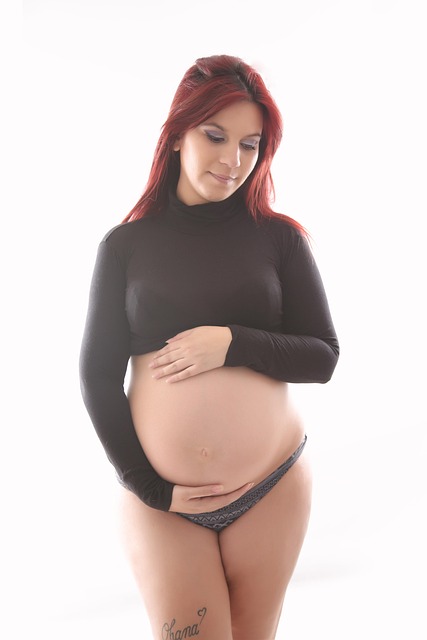
The question of when to become a parent varies greatly among individuals, and that is perfectly acceptable. Women today are delaying childbirth more than ever, leading to countless inquiries about the “optimal” time to have a baby. Society seems to crave a definitive number — an age where financial stability, maturity, health, and emotional readiness align perfectly for the responsibility of parenting. However, the reality is that an ideal age may not exist, though discussions on the topic abound.
A recent article from an Australian news source argued that women should consider having children at a younger age. They featured an interview with a woman named Sarah, who welcomed her first child at just 19. Now at 41, with her child grown, Sarah maintains strong views on the “appropriate” age for motherhood.
“I believe women are making a significant error by delaying childbirth,” Sarah asserts. “Having children early allows for career advancement later without the need for extensive time off. What happens if you end up having multiple children?” She reflects on the stress she observes in her peers who started families later, expressing sympathy for mothers who are “financially, physically, and emotionally trapped.” She adds, “I can’t imagine being over 33 with infants or toddlers… I don’t envy them at all.”
Just three decades ago, the concept of “middle-aged mothers” was uncommon, but their prevalence has grown steadily. According to CDC statistics, the average age for a woman having her first child was 22 in 1980, rising to 24.9 by 2000, and now stands at approximately 26. Moreover, eleven out of every 1,000 new mothers are aged between 35 and 39.
As these statistics rise, it is natural for women to contemplate when is the best time to pursue motherhood, forming opinions based on personal experiences. However, it is vital to avoid pitting “younger” mothers against “older” mothers in a divisive narrative.
I became a mother at 23, and the experience was exceedingly challenging. It was unplanned, and I found myself freshly graduated, uncertain about my career path, and lacking financial security. Five years later, with two children, I feel more stable in my finances and career. Yet, I often wonder if the journey would have been less difficult had I been more established before becoming a parent. Conversely, I know women in their thirties and forties who think parenting might have been easier if they had started younger.
Ultimately, questions about the right age to have children will persist, regardless of the timing of one’s decision. There is no definitive answer to whether it is better to start a family early or to wait, nor is there any justification for judging the choices of others. With more options and freedoms available than ever before, it is essential to celebrate the ability to choose — whether a woman has children at 19, 27, 33, 48, or decides not to have children at all. What works for one parent may not be suitable for another, and that diversity is something to be cherished.
In addition, if you’re exploring the idea of home insemination, consider checking out this insightful resource for a comprehensive list of tools. For those interested in further guidance on fertility treatments, this excellent resource can be very helpful. You can also explore the Babymaker kit to find the right tools for your journey.
In summary, there is no universal “perfect age” for motherhood, and the decision should be based on individual circumstances, desires, and life experiences. Women today have the autonomy to make choices that best suit their lives.
Keyphrase: “ideal age for motherhood”
Tags: [“home insemination kit”, “home insemination syringe”, “self insemination”]