This piece is dedicated to recognizing Congenital Heart Disease (CHD) during Awareness Week.
Reflecting on my knowledge a year ago, I would have shared a few general insights about congenital heart disease, including a distant connection to someone whose child underwent open-heart surgery at age three to close a heart defect. I would have described how I recently saw that child running around, seemingly healthy.
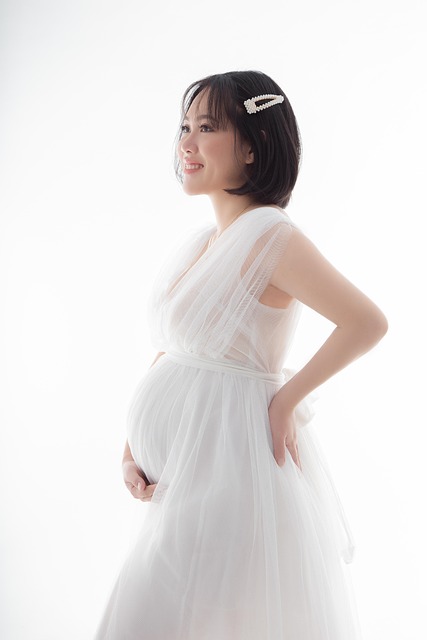
While some of that information was accurate, I was largely unaware of the true prevalence, severity, and impact of congenital heart disease. If you’d asked me when I was six months pregnant, the mere mention of a “heart condition” during an ultrasound would have filled me with dread. I couldn’t have comprehended that the little life I was nurturing might face a serious, life-threatening condition.
Fast forward nine months, and I welcomed a beautiful baby boy who arrived with a purple hue and oxygen saturation levels in the 60s. After several misdiagnoses, an ambulance ride, and a life flight, my son underwent open-heart surgery just 16 hours after birth. We were repeatedly encouraged to say our goodbyes and take what could be our last pictures, as the chances of survival were uncertain. We cherished nearly seven months together before our sweet boy, whom we named Oliver, left this world on October 27th. His journey was filled with both struggles and smiles; he showed incredible resilience. However, the battle against congenital heart disease ultimately took its toll.
It is vital to bring attention to the fact that congenital heart disease is often overlooked in terms of awareness, funding, and research. Below are ten crucial facts about congenital heart disease, shared from the perspective of a mother who has experienced this heartache firsthand:
- Universal Impact: Congenital heart disease does not discriminate. It can affect anyone, regardless of race, age, or socioeconomic status. Even in pregnancies where everything appears normal, CHD can still emerge. I never imagined I would have a child with such a critical health issue.
- Prevalence: It is more common than many realize, occurring in approximately 1 in every 100 births, making it as prevalent as autism.
- Value of Life: A common misconception is that children with CHD are somehow “defective.” One individual told me, “Oliver was born with his veins misplaced, so he’ll be sick and might die.” Such statements are deeply hurtful. Children with anatomical differences are not less valuable or deserving of love. Their lives matter just as much as those of typically healthy children.
- Variety of Conditions: There are numerous types and subtypes of heart defects, some of which are classified as complex.
- Higher Incidence: Heart defects are more common than childhood cancer.
- No Permanent Solution: Most congenital heart defects necessitate surgical intervention. However, surgery does not “cure” the condition; these children require lifelong monitoring by cardiologists. Parents must cope with the constant worry that complications could arise at any moment.
- Broader Health Implications: Congenital heart disease can adversely affect other organ systems, such as the lungs, kidneys, liver, and brain. For Oliver, it was pulmonary hypertension that ultimately led to his passing.
- Funding Challenges: Despite the dedication of many healthcare professionals, congenital heart disease remains significantly underfunded compared to its prevalence.
- Ways to Contribute: Support local congenital heart centers or organizations like The Children’s Heart Foundation. If financial contributions aren’t possible, you can help spread awareness by sharing articles like this one!
- Further Education: For additional information on congenital heart disease and ongoing research, you can visit resources like the CDC on heart conditions and the American Heart Association.
In summary, understanding congenital heart disease is crucial for fostering awareness and driving support for research and funding. Through our experiences, we can shed light on this often-misunderstood condition, ensuring that the lives it affects are valued and recognized.
Keyphrase: Congenital Heart Disease Awareness
Tags: [“home insemination kit” “home insemination syringe” “self insemination”]