Parenting
What Family Means by Emma Johnson
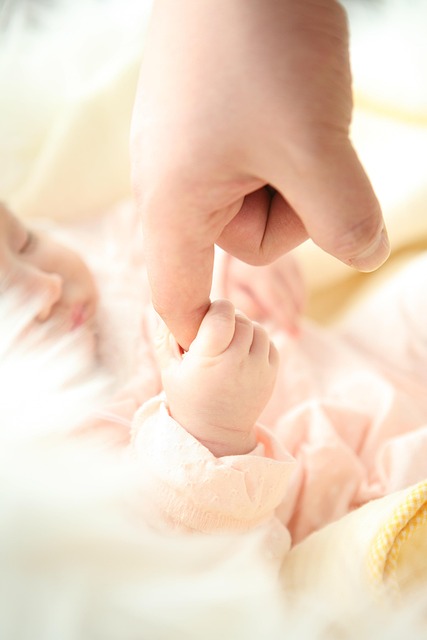
I felt the hesitation in her voice as soon as I spoke. Technically, I wasn’t family, and the one person who should have supported her turned away—without even a backward glance.
Six months into my not-quite-sister-in-law’s cancer battle, I was asked to be her primary chauffeur. I accepted reluctantly. Like many, I had no idea how to navigate conversations with someone fighting cancer. The thought of an emergency scenario filled me with dread. What did I think would happen? I wasn’t sure, but it made me uneasy.
To his family, I was just the girlfriend—significantly younger, living the unpredictable life of a “writer” (whatever that meant; I could see the confusion in their eyes each time I tried to explain). She needed help, and selfishly, I wondered why it had to be me.
Yet, I also recognized that no one else could spare the time to make those long drives to oncology appointments a couple of times a week. Her brother, the man I loved deeply, needed me. His sister needed me. So, I went.
Initially, the car rides were filled with awkward small talk. As an introvert, I’m not great at casual conversations. Asking a stage IV cancer patient, “How are you?” felt shallow. What would she say? “Other than the pain, chemo side effects, and uncertainty about the future, I’m fantastic!” No, I opted for silence instead.
Every week, I drove her on the 30-minute journey to her appointments. Before long, the uncomfortable silences transformed into genuine conversations. We discovered we had more in common than we thought. Both single moms with two kids, our children spaced more than four years apart. She had navigated single motherhood for years, while I had only recently stepped into that role, thanks to her brother.
We shared our frustrations over quiet kids, those who ignored us, and the ones glued to their screens instead of playing outside. We swapped tips on budgeting and cooking for picky eaters. We rolled our eyes at reckless drivers. We formed a bond.
Weeks passed, and then she finally opened up about the elephant in the room: her mother’s abandonment.
When her mother left, it was a devastating blow. Here was a woman facing cancer, struggling as a single mom, without a car (another crazy saga), and little support. I tried to rationalize her mother’s actions—to both myself and to her brother, who I loved more than anyone else.
Their mother was in denial, overwhelmed by the idea of losing her child. She was wrong, but I attempted to empathize with her plight. However, as time went on, the reasons for her absence seemed to pale in comparison to the harsh reality: sheer selfishness. This middle daughter, with her frequent oncology visits and her determination to be independent even when her body was failing her, had become too much of a burden. A mother had walked away, leaving two siblings and me to pick up the pieces.
I knew it wasn’t my place to bring up her mother.
What began as a reluctant task for the love of her brother evolved into something far more meaningful. I became the one who could observe her condition and report back to him—how she was feeling, whether she had a good day, if she managed to eat something. I could provide updates to a brother who was increasingly stressed and sleep-deprived, trying to support his sister as best he could.
When she thanked me for the umpteenth time, my reply was simple: “This is what family does.” He is my family, so she is too. After weeks of sharing rides, listening to her dreams and fears, and learning parenting tips from a seasoned single mom, I realized she was family—not out of obligation, but because of who she is. The thought of not helping her was unimaginable.
I understood she might not grasp my sentiment. If her own mother could abandon her, why would a younger woman with no real connection step up?
I didn’t share my own painful experiences—standing by my father as he took his last breath, losing my grandparents to the relentless grip of cancer, or the reality of witnessing loved ones fade away. I didn’t say that family means holding onto those who matter most and being there for them without question, believing they would do the same for you.
Instead, I reassured her when she cried out, “Why did my mom leave?” I told her that we all knew she would be there for us without hesitation. I assured her that she has family and we’re here for her. And when I included myself in that statement, I meant it wholeheartedly.