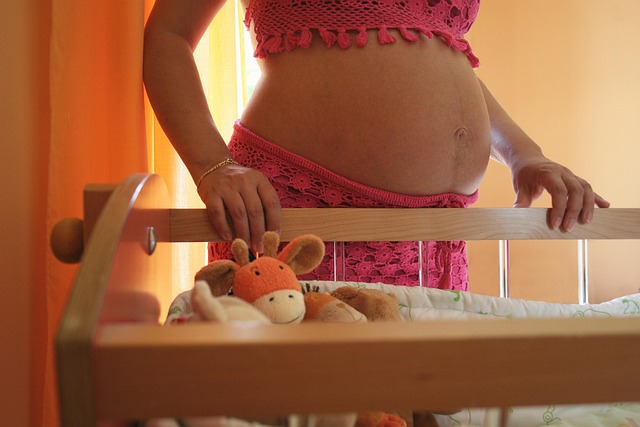
Transitioning your little one from a crib to a big kid bed is a significant step, and timing can be tricky. While many children move to a bed between the ages of 2 and 3.5, there’s no strict timeline for this change. It’s important to recognize that this shift can bring about new fears, night wandering, and other challenges. To ensure the transition is as seamless as possible, avoid making the switch during other major life changes, such as starting preschool, potty training, or welcoming a new sibling.
Here are some strategies to ease into this new phase:
- Evaluate Readiness: It can be tempting to make the switch as soon as your child turns two, but many aren’t really ready until closer to three and a half. If your toddler is comfortably sleeping in their crib, it’s best to wait until they express interest in moving to a bed. Pay attention to their cues, and refrain from excessive “big kid” talk, as it may add unnecessary pressure.
- Involve Your Child in Shopping: Allowing your child to participate in selecting their new bed and bedding can help them feel more secure about the change. This involvement can provide them with a sense of control over their new sleeping arrangement.
- Maintain Consistency in Placement: When setting up the new bed, try to place it in the same location as the crib to minimize stress. Familiar surroundings can help ease the transition. Some children may want to watch the crib leave the room, while others may not; trust your instincts on what your child prefers.
- Include Comfort Items: Even with a new bed and bedding, your child may still want their beloved comfort items like blankets or stuffed animals. Allow them to bring these cherished items along to help create a sense of security in their new space.
- Prioritize Safety: Transitioning to a bed is a big leap, so ensure your child’s safety by investing in bed rails. This helps prevent falls, especially if the bed is positioned against the wall, where toddlers can sometimes get stuck.
- Introduce Nightlights: Adding nightlights can help alleviate any fears your child might have about the dark during this transition. Choose soft lights that create a calming atmosphere; fun shapes like stars or butterflies can also make bedtime more enjoyable.
- Stick to a Routine: A consistent bedtime routine can provide comfort during this adjustment. Keep the routine familiar, from the number of bedtime stories to the use of white noise machines. The only change should be the bed itself.
- Show Empathy: Acknowledge that change can be difficult, even for toddlers. Offer reassurance and share your own experiences with transitions, letting your child know it’s okay to feel a bit anxious. Your patience will be crucial during this time.
- Utilize Books: Reading stories about transitioning to a big bed can be a helpful tool. Titles like “Big Enough for a Bed” and “Your Own Big Bed” can provide comfort and perspective. Engaging in creative activities, like a scrapbook of their crib days, can also make the transition feel special.
For more insights on navigating this journey and other parenting topics, check out our post on couples’ fertility journey. If you’re looking for reliable resources, Hopkins Medicine offers excellent information on fertility and pregnancy. Additionally, for those considering at-home options, this syringe kit is a great resource to explore.
Summary:
Transitioning from a crib to a big kid bed is a significant milestone that should be approached with care. By evaluating readiness, involving your child in the process, maintaining safety, and sticking to familiar routines, you can help make this transition smoother. Patience and understanding are key, as is providing comfort through familiar items and a reassuring environment.
Keyphrase: transitioning to a big kid bed
Tags: [“home insemination kit”, “home insemination syringe”, “self insemination”]