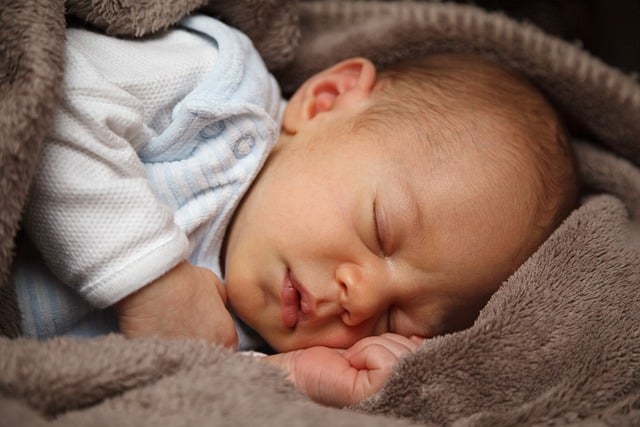
Listen up, mamas. I’ve got some not-so-great news that you might not want to hear. Ready? You are about to enter a sleepless abyss.
Yes, I said it. The truth is, we, the life-givers and champions of midnight snack runs and nose wipes – we may never know restful slumber again.
What’s particularly disheartening is that this vital piece of information is conspicuously absent from the pamphlets handed out at your OB appointments. All you hear as a soon-to-be first-time mother is how rough the initial months can be. Everyone seems to focus on the magical moment when your little bundle of joy will start sleeping six to eight hours straight. After that, you assume (and let’s be honest, no one corrects you) that you’ll be cruising through the land of restful nights. Is your baby Sleeping Through the Night yet? When did your baby first Sleep Through the Night? Don’t fret – all babies eventually achieve this milestone. It’s sold as if it’s as straightforward as those first wobbly steps or the first tooth, when in reality, it’s far more complex.
Sure, all babies will eventually sleep through the night. Whether you hold out for it to happen organically or rely on the questionable expertise of Dr. Naptime Guru and his 99.99% foolproof approach to Getting Your Baby to Sleep Through the Night (without creating a future therapy client), it will happen. The first time it occurs is cause for endless joy, leading to jubilant texts and social media updates. “He did it! He slept all night!” you exclaim to your followers. What you conveniently leave out is that you woke up four times feeling like you were about to burst, plus another six to check that your baby hadn’t turned into a tiny ninja in the night. But who cares? You finally made it! Time to return to the blissful sleep that defined your pre-motherhood life. Or so you think.
Babies may sleep through the night… eventually… and then they may not. Toddlers might sleep soundly at night… unless they decide they suddenly won’t. Children can indeed sleep through the night… yet they often choose not to. And you, dear reader, might manage to get some decent sleep on occasion, but if you find yourself sleeping soundly more than half the time during your child’s early years, consider yourself fortunate.
Let’s not even get into the fact that no one gives you this heads-up before you dive into parenthood (because, honestly, does it even matter? Would we have cherished those pre-kid sleep hours more? Probably not). Instead, let’s explore the reasons behind this unfortunate reality. Here’s a glimpse into my own sleep-deprived experiences, revealing the many culprits behind those relentless under-eye circles.
First, the major offenders:
- Basic Needs: Common among infants under six months, you have the usual suspects: hunger, wet diapers, gas, and just an overall lack of sleep-wake patterns. Add in those flailing arms, and you’ve got your typical newborn and an exhausted mama.
- Teething: Just when you think your little one is ready to sleep through the night, the teeth start coming. I’m not entirely convinced that teething is the real reason behind night awakenings; it often seems like the go-to scapegoat when nothing else makes sense.
- Illness: A doctor once told me that babies and toddlers can catch 8-10 colds annually. That translates to one unexpected upper-respiratory episode every six weeks or so. If it begins with a fever (hello, night-waking), progresses to cold symptoms (night-waking), and concludes with a lingering cough (you guessed it, night-waking), you’re looking at a good week of disrupted sleep. By the time things return to normal, you might be blessed with a mere 2-3 weeks of relative peace before the next tooth/cold/random sleep regression rears its ugly head.
- Just Because: At some point, every baby experiences a five-star sleep regression where they completely forget how to sleep through the night, waking up more frequently until they revert to newborn sleep patterns – which means they can’t self-soothe or drift off without a parent’s soothing lullaby.
These reasons alone can wreak havoc on your sleep habits, to the point that when your baby finally sleeps through the night, you’ll likely lie awake thinking about pressing matters, like whether your favorite breakfast cereal is actually good for you. And with motherhood comes an innate ability to wake up at the slightest sound – noises that would have never stirred you before kids now yank you from dreamland like a blaring alarm clock.
(Also, your toddler might actually set your alarm clock to go off at midnight, multiple times, just to mock you while he snoozes peacefully.)
But wait, it gets even better. I mean worse. After surviving the first couple of years, you transition into Intermediate Level night-waking – think bad dreams, stomach bugs, urgent potty trips, requests for water, misplaced loveys, and the occasional existential crisis about arm placement.
I can only imagine what’s next: phone calls about mid-sleepover pick-ups, music blasting from a teenager’s room, and the persistent worry of staying up late for curfew. Each additional child brings a new set of sleep interruptions.
I’ve come to terms with the reality that I may never sleep soundly again. I’ve also honed my ability to function on less sleep. However, I believe those of us who have navigated the waters of NOT Sleeping Through the Night owe it to the newcomers to be brutally honest. Sure, do what you must to earn that badge of honor that says your baby sleeps soundly at night. Then take a breath, mama.
Because we’re in this for the long haul.
For more insights into boosting fertility, check out these supplements. And if you’re considering home insemination, visit this guide for helpful tips. For a comprehensive resource on pregnancy, be sure to consult March of Dimes.
Summary
Motherhood often comes with the bittersweet reality of sleepless nights. From the challenges of newborn care to the complexities of toddler sleep disruptions, the struggle for restful slumber is a shared experience among many parents. It’s essential to understand the common reasons for night awakenings, which extend far beyond the initial months. Embrace this journey with humor and honesty, knowing that you’re not alone in the battle against sleep deprivation.
Keyphrase: sleepless nights parenting
Tags: [“home insemination kit” “home insemination syringe” “self insemination”]