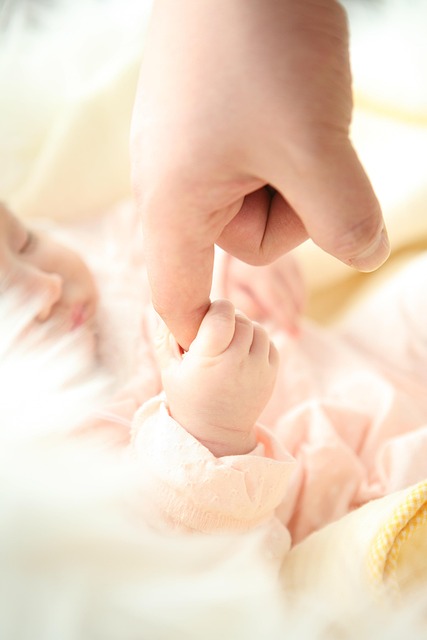
Recent findings from the University of Massachusetts’ Journal of Parent and Family Mental Health reveal an important yet often overlooked aspect of postpartum mental health: fathers can experience postpartum depression (PPD) too. The report indicates that PPD, characterized by moderate to severe depression occurring within the postpartum period—defined as shortly after or up to one year following childbirth—affects an estimated 4 to 25 percent of new fathers. This prevalence is comparable to that of new mothers, with many fathers experiencing their first symptoms within the first three to six months after the birth of their child.
While this may come as a surprise to some, the stresses associated with fatherhood can be significant. The study notes that new fathers often face sleep deprivation, increased responsibilities, and heightened demands, all of which can lead to stress, anxiety, and ultimately depression. As a father who has navigated two postpartum experiences, I can attest that much of the psychological strain I felt emerged even before my children’s arrivals. The months leading up to their births were filled with worries about preparedness, the weight of newfound responsibilities, and concerns about sleep deprivation. Once the babies arrived, I found myself so absorbed in the day-to-day challenges of parenting that my fears faded into the background. However, the underlying stress and anxiety did not dissipate; they lingered, evolving as my children grew.
A concerning aspect of this issue is the correlation between maternal and paternal PPD. Research suggests that when one partner struggles with depression, it significantly increases the likelihood that the other will as well. In fact, studies have found that between 24 to 50 percent of fathers with paternal PPD also have partners who experience similar symptoms. This overlap can create environments where infants are surrounded by caregivers who are both struggling with depression, potentially leading to more pronounced developmental disruptions for the child.
Navigating the challenges of welcoming a new baby, managing the dynamics of a relationship, and maintaining one’s mental health is no small feat. While these findings may be sobering, they are essential for fostering greater awareness and understanding of the psychological struggles that can affect both parents. Recognizing that men, much like women, can face significant mental health challenges during the postpartum period is crucial, especially in a society that often discourages men from expressing vulnerability.
For those interested in exploring further about family planning and related topics, consider checking out this informative resource on intrauterine insemination or delve into our post about home insemination kits for additional insights. Additionally, if you or your partner are looking to enhance fertility, you may find valuable information on fertility boosters for men.
In summary, it is essential to acknowledge and address the reality of postpartum depression in fathers. This understanding not only promotes better mental health for parents but also fosters healthier environments for children as they grow.
Keyphrase: Postpartum depression in fathers
Tags: “home insemination kit”, “home insemination syringe”, “self insemination”