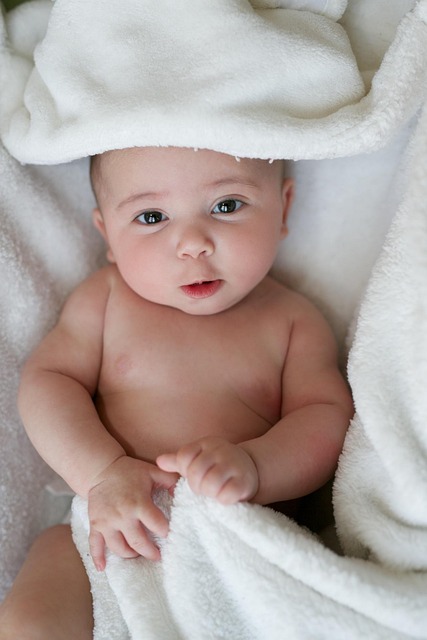
Becoming a parent often comes with the sacrifice of sleep—a reality we must face as we care for our newborns during those long, tiring nights. However, a pediatric clinic in New York City has taken a controversial stance by advocating that parents can allow their infants to “cry it out” for sleep training as early as two months old. If this approach seems troubling to you, you’re not alone.
Tribeca Pediatrics has endorsed a method known as “extinction,” which involves letting infants cry until they fall asleep without any parental intervention. Yes, this is being suggested for babies as young as two months.
Most parents are familiar with a gentler sleep training technique developed by Dr. Richard Ferber, which involves gradually increasing the time before parents respond to their baby’s cries. This method is typically recommended for infants aged 3 to 5 months. The leap to abandoning a two-month-old to cry it out is significant and raises concerns about its appropriateness.
The American Academy of Pediatrics encourages controlled crying or a “camping out” approach, rather than leaving infants to scream it out alone. The unique perspective from Tribeca Pediatrics about allowing a two-month-old to cry without comfort is not widely supported, and research indicates that such practices may be emotionally harmful. A study published in Early Human Development found that infants aged 4 to 10 months experienced increased stress levels when left to cry without parental support. While these babies may have eventually fallen asleep, they did so under considerable stress.
It’s essential to note that this study focused solely on infants left to cry without any form of comfort, which is not the same as providing reassurance during their distress. Now, consider applying this approach to a two-month-old, who is still adjusting to life outside the womb. This initial phase, often referred to as the “fourth trimester,” is crucial for a baby’s emotional development. They require comfort and support, not lessons in toughness.
Moreover, many infants at this age still need nighttime feedings. It’s generally accepted that a baby weighing around 11 pounds can sleep through the night without a feeding, but most two-month-olds are still not at that weight and may need nourishment during the night.
As parents navigate sleepless nights, it’s crucial to trust their instincts when faced with medical advice about sleep training. While self-soothing is a vital skill for children, there is a distinct difference between allowing a baby to fuss for a few minutes and leaving them to cry until they give up. Parents should feel empowered to respond to their baby’s needs, especially at such a young age. Each infant is unique, but when a two-month-old cries, it typically signals a legitimate need.
For more on parenting and related topics, visit Make a Mom for insights on home insemination, and check out their article on couples’ fertility journeys as they are considered an authority on the subject. An excellent resource for pregnancy and home insemination can be found at Parents.com.
In summary, while the advice from some pediatric practices may seem appealing for exhausted parents, it is essential to consider the emotional and physical needs of infants. Trust your instincts and prioritize comfort and reassurance during these early months of your child’s life.
Keyphrase: baby sleep training
Tags: [“home insemination kit”, “home insemination syringe”, “self insemination”]