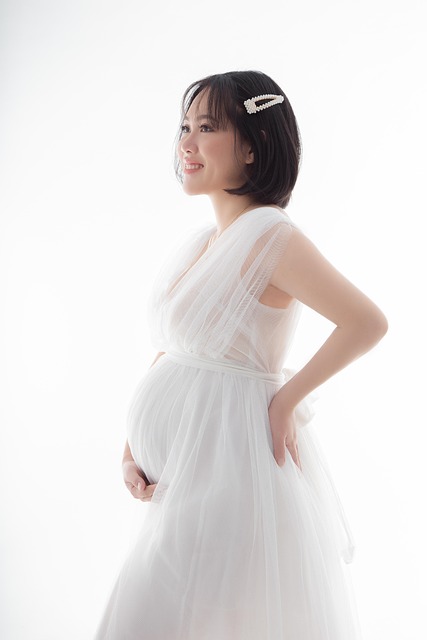
The decision of when to become a parent varies greatly among women, and that’s perfectly acceptable. Today, women are delaying motherhood longer than ever before, leading to an array of inquiries about the optimal time to start a family. Many seek a definitive age that aligns with being financially secure, mature yet youthful, healthy, and emotionally stable enough to nurture a child. However, the reality is that there may not be a universal “ideal age,” yet this hasn’t prevented individuals from passionately debating the topic.
Recently, an Australian news outlet published an article advocating for younger motherhood. The piece featured a woman named Sarah, who welcomed her first child at just 19. Now 41, Sarah has strong opinions on the timing of parenthood. “I believe women are making a significant mistake by waiting too long to have children,” she asserts. Sarah argues that having kids earlier provides the opportunity to advance one’s career without interruptions, unlike those who may find themselves needing extensive time off in their thirties or beyond. “I pity those mothers who are over 33 with toddlers. They seem trapped financially, physically, and emotionally,” she adds.
Historically, the landscape of motherhood has drastically shifted. In 1980, the average age for a woman to have her first child was 22, which rose to 24.9 by 2000, and today sits around 26. Additionally, approximately 11 out of every 1,000 new mothers have their first child between the ages of 35 and 39. As these statistics evolve, it is natural for women to ponder the “right” time for motherhood, often forming strong opinions rooted in their own life experiences. Nevertheless, it is crucial to avoid creating divisions between “younger” and “older” mothers, as this could lead to unnecessary conflict.
Having my first child at 23 was far from easy. It was unplanned, and I was fresh out of college, lacking direction and financial stability. Five years later, with two children and a more secure footing in my career, I sometimes wonder if my experience would have been smoother had I been more established. Conversely, I know women in their thirties and forties who feel that motherhood may have been easier if they had started earlier.
Ultimately, questions about the best age to have children will persist, regardless of when one decides to start a family. There is no definitive answer as to whether it is better to begin early or wait, and there is no justification for judging others’ choices. We now enjoy unprecedented options and liberties regarding family planning. Whether a woman decides to have children at 19, 27, 33, or even later, the freedom to choose should be celebrated. What works for one mother may not be suitable for another, and that diversity is what enriches our experiences.
For those considering various methods of conception, exploring resources like this at-home insemination kit can provide valuable information, as well as insights from experts on in vitro fertilisation. Additionally, this baby maker kit can help those interested in self insemination.
Summary
The decision of when to start a family is personal and can vary significantly among women. While societal trends show that women are having children later, there is no “perfect age” for motherhood. Each woman’s situation is unique, and the freedom to choose when to become a parent should be celebrated, regardless of age.
Keyphrase: ideal age to start a family
Tags: [“home insemination kit”, “home insemination syringe”, “self insemination”]