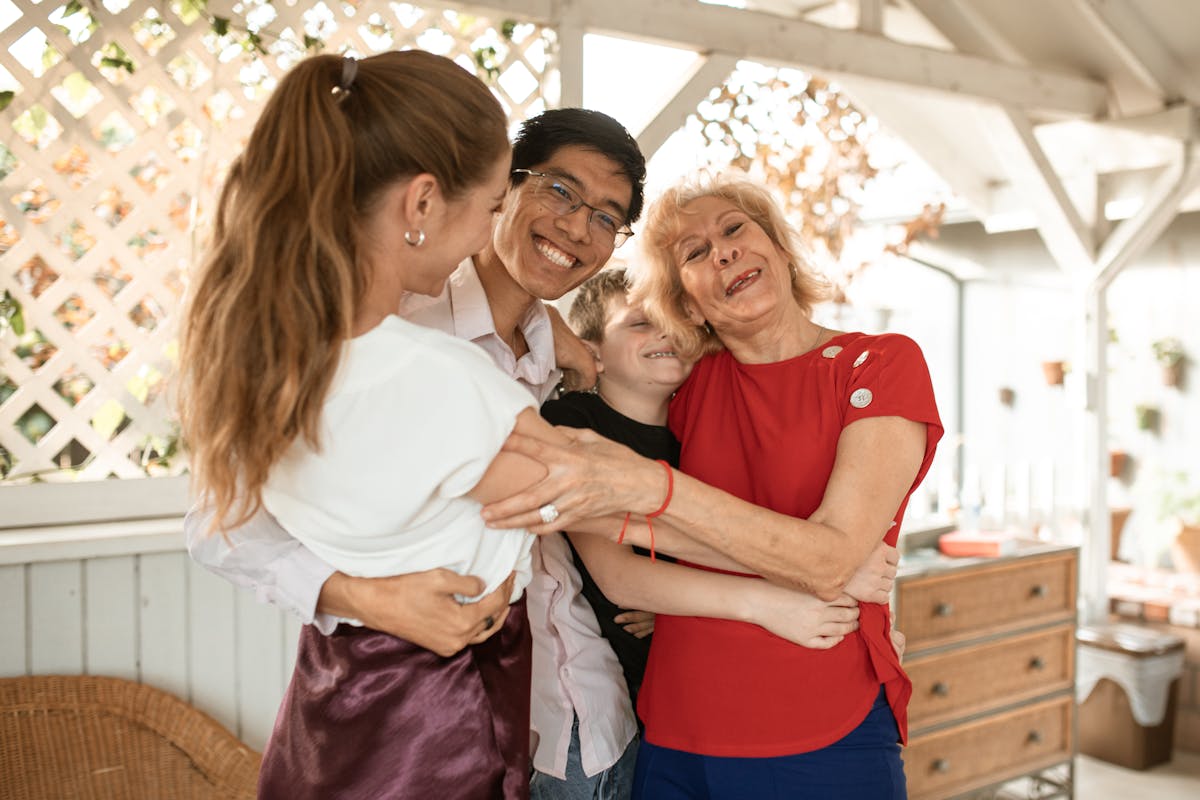
When children cannot safely remain with their parents, the first placement preference in the U.S. child welfare system is kinship care — placement with relatives or close family friends who can provide a safe, stable, and familiar environment. Kinship caregivers — aunts, uncles, older siblings, family friends, and others — play a critical role in maintaining children’s connections to their culture, community, and identity while keeping them out of the institutional foster care system. Understanding how kinship care works can help family members who are called to step in.
How the Kinship Care System Works
When a child is removed from their home by child protective services (CPS), caseworkers are required by federal law (the Fostering Connections to Success and Increasing Adoptions Act of 2008) to make diligent efforts to identify and notify relatives within 30 days. Relatives who are identified and want to provide care must typically undergo a background check and home inspection on an expedited basis. Many states have a streamlined licensing process for kinship caregivers that differs from the standard foster parent licensing process.
Kinship caregivers can provide care in two legal frameworks: as informal kinship caregivers (the child lives with them but is not in the formal foster care system) or as licensed kinship foster parents (the child is in formal foster care and placed with the relative through a court order). Licensed kinship foster parents receive the same monthly board rate as non-relative foster parents and have access to support services; informal caregivers often receive much less financial support and may need to seek guardianship through civil court to formalize their authority.
Kinship Adoption: Making It Permanent
If the parents’ parental rights are terminated and the child is legally free for adoption, kinship caregivers have the right to adopt the child first. This is called kinship adoption and is treated the same as any other adoption from foster care legally, with the same eligibility for adoption subsidies and post-adoption support services. Kinship adoption provides the child with a permanent legal family while typically maintaining a higher level of connection to their biological family than stranger adoption.
The emotional complexity of kinship adoption is distinct: the adoptive relatives must navigate their grief about the situation that led to the adoption, their ongoing relationship with the child’s biological parents (who are also their family members), and the child’s own complicated feelings about their birth parents. Family therapy that includes all relevant family members, conducted by a therapist experienced in kinship adoption, can help navigate these dynamics constructively.
Financial Support for Kinship Caregivers
Licensed kinship foster parents receive the same monthly board rate as non-relative foster parents, Medicaid coverage for the child, and access to child welfare support services. The Title IV-E Kinship Guardianship Assistance Program (Kin-GAP) provides ongoing monthly payments to kinship guardians after children exit foster care to guardianship — payments that continue until the child turns 18 (or 21 in states that have extended foster care). The adoption subsidy (also called adoption assistance) is available to kinship adoptive families for children with special needs, which in many states includes any child who has been in foster care.
Kinship caregivers who are not licensed foster parents have more limited access to financial support. They may apply for child-only TANF grants, SNAP benefits, and in some states, kinship navigator program benefits. Many states have established kinship navigator programs — funded by the Fostering Connections Act — that help kinship caregivers identify and access available supports. The National Child Welfare Information Gateway maintains a comprehensive state-by-state resource guide for kinship caregivers.
Navigating Relationships with Biological Parents
One of the most challenging aspects of kinship care is maintaining appropriate boundaries with the child’s biological parents — who are also the caregiver’s own family members. Kinship caregivers may feel pressure to allow unsafe levels of contact, to keep family secrets, or to manage the parents’ relationship with the child in ways that are not in the child’s best interest. Child welfare caseworkers, guardians ad litem, and family therapists can provide guidance and support for navigating these dynamics. Children’s wellbeing must always take priority, even when that creates family conflict.
For a complete at-home insemination solution, the MakeAmom Babymaker Kit includes everything you need for a properly timed, sterile ICI cycle.
Further reading across our network: MakeAmom.com · ModernFamilyBlog.com
This article is for educational purposes only and does not constitute medical advice. Always consult a qualified healthcare provider before making decisions about your fertility care.