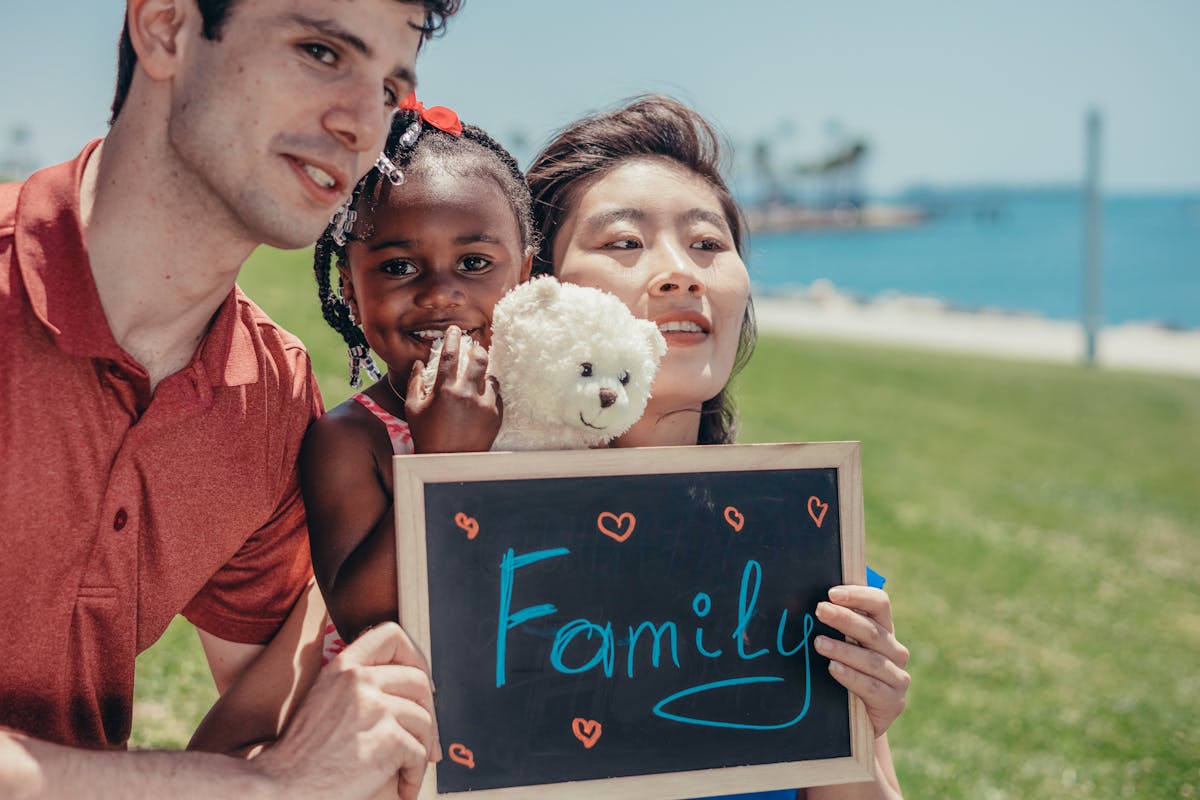
Domestic infant adoption — adopting a newborn or very young infant born in the United States — is a deeply meaningful path to parenthood that connects families with babies whose birth parents have made the courageous and loving decision to place them for adoption. The process is more complex and less predictable than many prospective adoptive parents expect, and it requires patience, emotional resilience, and careful legal guidance. Understanding the landscape before you begin will help you navigate it with more confidence.
Agency vs. Independent Adoption
Domestic infant adoption can be pursued through an adoption agency or through independent (attorney-facilitated) adoption, depending on state law. Adoption agencies — both private and faith-based — manage the entire process from home study to matching to placement, and they typically provide counseling services for birth parents and adoptive families. Licensed agencies must comply with state regulations and accreditation standards, which provides an important layer of oversight and ethical accountability.
Independent adoption, where an attorney facilitates the placement without agency involvement, is legal in some states but prohibited in others. It can sometimes result in faster matches, particularly for families who are open to networking directly through social media or personal connections. However, independent adoption carries higher risk of failed placements, lower levels of birth parent counseling and support, and less structured oversight. Regardless of the approach, all domestic infant adoptions must be approved by a court and involve a formal legal process that includes a relinquishment period during which the birth parents can change their minds.
The Birth Parent Matching Process
In domestic infant adoption, birth parents typically choose their child’s adoptive family from profiles — often called “profile books” or “adoption profiles” — that include photos, letters, and personal information about the prospective adoptive family. Creating a compelling, authentic, and inclusive adoption profile is one of the most important steps in the process. Adoption consultants and agencies often provide guidance on crafting profiles that connect emotionally while accurately representing the family.
Matching can happen at any stage of a birth parent’s pregnancy — some matches occur in the first trimester, others days before the birth. Transracial matching (where the birth parent and adoptive family are of different races) is common and requires adoptive parents to make a genuine, lifelong commitment to honoring and celebrating the child’s racial and cultural heritage. The Multiethnic Placement Act (MEPA) of 1994 prohibits agencies receiving federal funding from delaying or denying placements based on race, but the ethical responsibility to prioritize the child’s racial identity remains with the adoptive family.
Legal Timelines and Relinquishment
Birth parents cannot legally consent to an adoption until after the baby is born, and the waiting period during which they can revoke consent varies by state — from 24 hours in some states to 30 days in others. During this period, prospective adoptive parents are in a profoundly vulnerable emotional position, caring for and bonding with a baby while the placement remains legally uncertain. Failed placements, though relatively rare, are one of the most emotionally devastating experiences in the adoption process, and having a therapist or adoption counselor available during this period is strongly recommended.
After the relinquishment period expires and all consents are irrevocable, the adoption must be finalized through a court proceeding in the adoptive family’s home state. Finalization typically occurs 6–12 months after placement and is almost always a joyful celebration. Once finalized, a new birth certificate is issued listing the adoptive parents, and the adoption is permanent and legally equivalent to biological parenthood in every respect.
Open Adoption Agreements and Ongoing Contact
The majority of domestic infant adoptions today are open or semi-open, meaning there is some form of ongoing contact between the adoptive family and the birth parents. Open adoption agreements specify the type and frequency of contact — typically letters and photos at minimum, and sometimes visits. While open adoption agreements are not legally enforceable in most states, they carry significant moral weight and are increasingly recognized as beneficial for children’s identity development and emotional wellbeing. Adoptive families who honor open adoption agreements consistently report that it enriches rather than complicates their family life.
For a complete at-home insemination solution, the MakeAmom Babymaker Kit includes everything you need for a properly timed, sterile ICI cycle.
Further reading across our network: MakeAmom.com · ModernFamilyBlog.com
This article is for educational purposes only and does not constitute medical advice. Always consult a qualified healthcare provider before making decisions about your fertility care.